
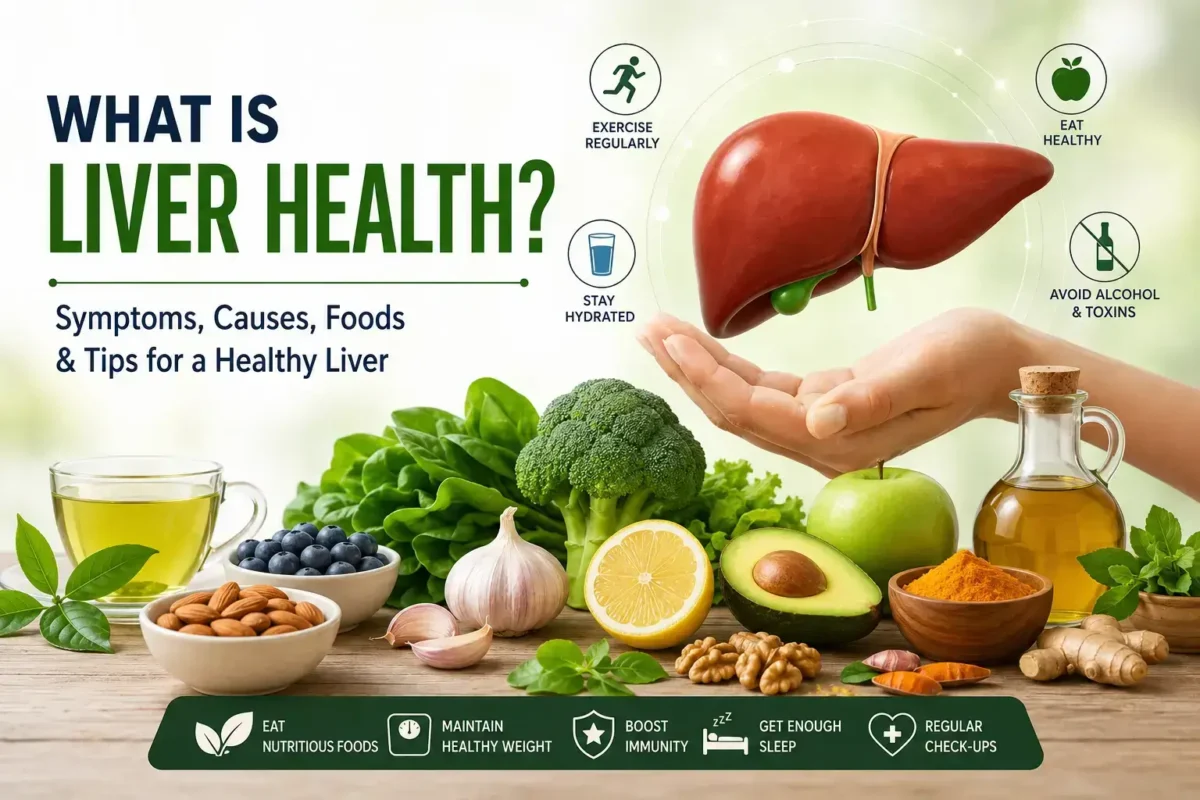
A Complete Guide to Keeping Your Liver Healthy Naturally
Introduction
What is liver health? Liver health refers to the proper functioning and overall well-being of one of the body’s most vital organs. The liver is one of the most important organs in the human body, yet many people don’t pay attention to its health until problems arise. It performs more than 500 essential functions, including filtering toxins, metabolizing nutrients, producing bile, storing vitamins, regulating blood sugar, and supporting immunity. Without a healthy liver, the body cannot function efficiently.
Modern lifestyles, including unhealthy eating habits, alcohol consumption, lack of physical activity, obesity, stress, and excessive use of medications, have significantly increased liver-related disorders worldwide. Fortunately, many liver problems can be prevented by adopting healthy habits and
recognizing early warning signs.
This comprehensive guide explains what liver health is, why it matters, common liver diseases, symptoms of poor liver health, causes of liver damage, natural ways to improve liver function, foods that support the liver, and answers to frequently asked questions.
What Is Liver Health?
Liver health refers to the proper functioning of the liver so it can effectively perform its vital metabolic, detoxification, digestive, and storage functions without disease or damage.
A healthy liver:
- Removes harmful toxins from the bloodstream
- Produces bile for digestion
- Processes nutrients from food
- Regulates cholesterol levels
- Stores vitamins and minerals
- Controls blood sugar levels
- Produces proteins needed for blood clotting
- Supports the immune system
- Helps metabolize medications
When liver health declines, these essential functions become impaired, affecting nearly every organ in the body.
Where Is the Liver Located?
The liver is located in the upper right side of the abdomen, just beneath the diaphragm and protected by the rib cage. It weighs approximately 1.2-1.5 kilograms (2.5-3.5 pounds) in adults, making it the largest internal organ.
Why Is Liver Health Important?
A healthy liver plays a central role in maintaining overall wellness. Its major functions include:
1. Detoxification
The liver filters harmful substances including:
- Alcohol Environmental toxins
- Chemical pollutants
- Drugs and medications
- Metabolic waste products
It converts toxins into substances that can safely leave the body.
2. Digestion
Support The liver produces bile, which:
- Breaks down dietary fats
- Helps absorb fat-soluble vitamins
- Supports healthy digestion
3. Nutrient Metabolism
The liver processes:
- Carbohydrates
- Proteins
- Fats
- Vitamins
- Minerals
It converts nutrients into usable energy.
4. Blood Sugar Regulation
The liver stores glucose as glycogen and releases it when blood sugar drops, helping maintain stable energy levels.
5. Immune Function
The liver contains specialized immune cells that help:
- Remove bacteria
- Fight infections
- Filter damaged blood cells
6. Protein Production
The liver produces essential proteins including:
- Albumin
- Clotting factors
- Transport proteins
These proteins are vital for circulation and wound healing.
Signs of Poor Liver Health
Many liver diseases develop silently.
Common symptoms include:
- Constant fatigue
- Weakness
- Loss of appetite
- Nausea
- Vomiting
- Indigestion
- Abdominal discomfort
- Pain in the upper right abdomen
- Swelling in legs
- Yellowing of skin (jaundice)
- Yellow eyes
- Dark urine
- Pale stools
- Itchy skin
- Easy bruising
- Unexplained weight loss
If these symptoms persist, medical evaluation is necessary.
Common Liver Diseases
Several conditions can affect liver health.
1. Fatty Liver Disease
Fat accumulates inside liver cells.
There are two major types:
Non-Alcoholic Fatty Liver Disease (NAFLD)
Alcoholic Fatty Liver Disease
Risk factors include:
- Obesity
- Diabetes
- High cholesterol
- Sedentary lifestyle
2. Hepatitis
Hepatitis is inflammation of the liver.
Common types include:
- Hepatitis A
- Hepatitis B
- Hepatitis C
- Autoimmune hepatitis
Symptoms may include:
- Fever
- Fatigue
- Jaundice
- Abdominal pain
3. Liver Cirrhosis
Cirrhosis is permanent scarring of liver tissue. Common causes:
- Chronic alcohol use
- Viral hepatitis
- Fatty liver disease
Advanced cirrhosis can lead to liver failure.
4. Liver Cancer
Primary liver cancer often develops in people with long-term liver disease.
Risk factors include:
- Hepatitis B
- Hepatitis C
- Cirrhosis Chronic liver inflammation
5. Drug-Induced Liver Injury
Some medications and herbal products can damage the liver when taken improperly or in excessive amounts.
Always follow medical advice regarding medicines and supplements.
What Causes Poor Liver Health?
Several factors contribute to liver damage.
Unhealthy Diet
High consumption of:
Sugary drinks
Processed foods
Fried foods
Excess refined carbohydrates can increase fat accumulation in the liver.
Excessive Alcohol Consumption
Long-term heavy drinking damages liver cells and increases the risk of fatty liver, hepatitis, and cirrhosis.
Obesity
Excess body weight significantly increases the risk of fatty liver disease.
Diabetes
Poor blood sugar control contributes to fat buildup and inflammation in the liver.
Viral Infections
Hepatitis viruses remain major causes of liver disease worldwide.
Smoking
Smoking increases oxidative stress and inflammation throughout the body, including the liver.
Lack of Physical Activity
A sedentary lifestyle contributes to obesity, insulin resistance, and fatty liver.
Toxin Exposure Industrial chemicals, pesticides, and environmental pollutants may harm liver cells over time.
Risk Factors for Liver Disease
People are at greater risk if they:
- Are overweight
- Have diabetes
- Have high cholesterol
- Drink excessive alcohol
- Have hepatitis infection
- Have a family history of liver disease
- Take multiple medications regularly
- Have metabolic syndrome
How Is Liver Health Diagnosed?
Doctors may recommend:
- Blood Tests
- Liver Function Tests (LFTs)
- ALT
- AST
- Bilirubin
- Albumin
- Imaging Tests
- Ultrasound
- CT Scan
- MRI
- Fibro Scan
- Liver Biopsy
Used in selected cases to determine the extent of liver damage.
Best Foods for Liver Health
A balanced diet supports normal liver function. Leafy Green Vegetables Examples:
Spinach
Kale
Fenugreek leaves
These provide antioxidants and fiber.
Fresh Fruits
Healthy choices include:
Apples
Oranges
Berries
Grapes
Papaya
Whole Grains
Examples:
Oats
Brown rice
Quinoa
Whole wheat
Healthy Fats Choose:
Olive oil
Nuts Seeds
Avocados
Lean Protein
Good options:
Lentils
Beans
Chickpeas
Fish
Skinless chicken
Garlic
Garlic contains natural compounds that support normal liver enzyme activity.
Green Tea
Rich in antioxidants that may support overall liver wellness when consumed in moderation.
Coffee
Research suggests moderate coffee intake is associated with a lower risk of certain chronic liver diseases in many adults.
Foods to Limit
Reduce intake of:
- Sugary beverages
- Soft drinks
- Packaged snacks
- Refined sugar
- Fried foods
- Processed meat
- Excess salt
- Trans fats
If you drink alcohol, discuss safe limits with your healthcare provider.
People with liver disease are often advised to avoid alcohol altogether.
Lifestyle Tips for Better Liver Health
Exercise Regularly
Aim for at least 150 minutes of moderate physical activity per week. Walking, cycling, swimming, and yoga all support metabolic health.
Maintain a Healthy Weight Even modest weight loss can help reduce liver fat in people with fatty liver disease.
Stay Hydrated
Adequate water intake supports overall body function and metabolism.
Sleep Well
Adults generally benefit from 7–9 hours of quality sleep each night.
Avoid Smoking
Quitting smoking benefits both liver health and overall health.
Use Medicines Responsibly
Never exceed recommended doses of medications, particularly pain relievers such as acetaminophen (paracetamol), and avoid combining medicines or supplements without professional guidance.
Get Vaccinated
Vaccination against Hepatitis A and Hepatitis B is recommended for many people at risk. Speak with your healthcare provider to determine if vaccination is appropriate for you.
Can the Liver Repair Itself?
Yes. The liver is unique because it has an impressive ability to regenerate after mild or moderate injury. However, repeated or severe damage can eventually lead to permanent scarring (cirrhosis), which cannot be completely reversed. Early diagnosis and healthy lifestyle changes are therefore essential.
When Should You See a Doctor?
Seek medical attention if you experience:
- Persistent abdominal pain
- Jaundice
- Dark urine
- Swollen abdomen
- Vomiting blood
- Severe fatigue
- Sudden confusion
- Unexplained weight loss
- Persistent nausea lasting more than a few days
Routine health check-ups are especially important for people with diabetes, obesity, or a history of liver disease.
How to Keep Your Liver Healthy
Every Day Simple daily habits include:
- Eat a balanced diet rich in vegetables and whole grains.
- Exercise regularly.
- Maintain a healthy weight.
- Drink enough water.
- Limit added sugar and processed foods.
- Avoid smoking.
- Limit or avoid alcohol, especially if you have liver disease.
- Practice good hygiene to reduce the risk of viral hepatitis.
- Get vaccinated when recommended.
- Use medications only as directed.
- Schedule regular health check-ups if you have risk factors.
Conclusion
Your liver is one of the hardest-working organs in your body, quietly supporting digestion, metabolism, immunity, and detoxification every day. Maintaining liver health is essential for overall well-being and long-term vitality. Fortunately, many liver diseases are preventable through healthy eating, regular exercise, maintaining a healthy weight, avoiding harmful substances, and seeking timely medical care when symptoms arise. By adopting healthy lifestyle habits and staying informed, you can help protect your liver and support its important functions for years to come.
Frequently Asked Questions (FAQs) – What is Liver Health?
Q1. What is liver health?
Liver health refers to the liver’s ability to perform its essential functions efficiently without disease, inflammation, or significant damage.
Q 2. What are the first signs of liver problems?
Early signs may include fatigue, nausea, loss of appetite, abdominal discomfort, dark urine, and jaundice.
Q3. Can fatty liver be reversed?
In many cases, especially in the early stages, lifestyle changes such as weight loss, healthy eating, and regular exercise can reduce liver fat and improve liver health.
Q4. Which foods are best for liver health?
Leafy greens, fruits, whole grains, legumes, nuts, seeds, garlic, and healthy fats are commonly included in liver-friendly diets.
Q5. Is coffee good for the liver?
Moderate coffee consumption has been associated in research with a lower risk of some chronic liver diseases. Individual advice may vary, so consult your healthcare provider if you have liver disease.
Q6. Can drinking water detox the liver?
Water supports overall health and normal metabolic processes, but it does not “detox” the liver on its own. The liver naturally performs detoxification when it is healthy.
Q7. How often should liver function tests be done?
Routine testing depends on age, medical history, medications, and risk factors. People with liver disease or conditions such as diabetes may require regular monitoring as advised by their doctor.
Q8. Does exercise improve liver health?
Yes. Regular physical activity helps maintain a healthy weight, improves insulin sensitivity, and may reduce liver fat, especially in people with fatty liver disease.
Q9. Can herbal supplements improve liver health?
Some herbal products are marketed for liver support, but scientific evidence varies, and certain supplements can actually harm the liver. Always consult a qualified healthcare professional before using herbal supplements.
Q10. How can I naturally maintain a healthy liver?
Maintain a balanced diet, exercise regularly, stay hydrated, avoid smoking, limit alcohol, use medicines responsibly, maintain a healthy weight, and get regular medical check-ups if you have risk factors.
Explore our Liver Care products
Also Read: